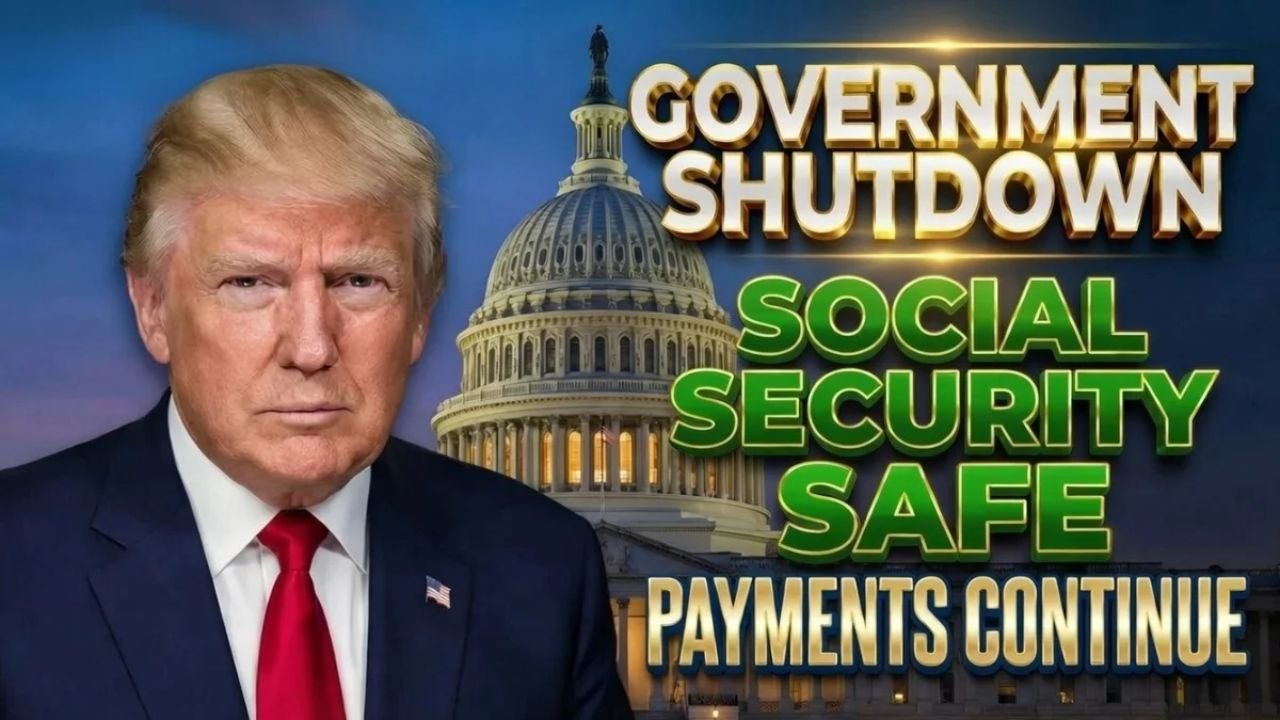
News of a partial government shutdown often sparks concern among Social Security beneficiaries, particularly seniors, disabled individuals, and low-income households who rely on monthly payments. Headlines can create unnecessary panic, with many wondering whether their benefits will stop or be delayed. Understanding how shutdowns operate and how Social Security is funded can provide clarity and peace of mind.
What Is a Partial Government Shutdown
A partial government shutdown occurs when Congress fails to approve funding bills for some federal departments. Agencies without appropriated budgets must suspend non-essential operations, while essential services continue to operate.

It is important to note that not all federal programs depend on annual budget approval. Some programs, like Social Security, receive funding through permanent or mandatory streams, which makes them less susceptible to interruptions during a shutdown.
Why Social Security Is Treated Differently
Social Security benefits are managed by the Social Security Administration (SSA), but the payments themselves are funded through payroll taxes deposited into the Social Security Trust Funds. These funds are separate from the annual federal budget, meaning that monthly benefit payments are legally protected from funding gaps caused by a shutdown.
Historically, even during extended government shutdowns, Social Security payments continued uninterrupted. This protection applies to retirement, disability, and survivor benefits alike.
Will Monthly Social Security Payments Stop or Be Delayed

For the vast majority of beneficiaries, monthly payments continue as scheduled during a partial shutdown. Direct deposits and mailed checks are processed automatically and do not depend on day-to-day staffing levels.
However, while payments remain unaffected, customer service and administrative support may be impacted. Reduced staffing can result in longer wait times for phone inquiries, delayed appointments, and slower processing of new claims or appeals.
Services That May Be Affected During a Shutdown
Although benefit payments continue, some administrative functions may experience delays due to furloughed employees. Commonly affected services include:
- Processing new Social Security applications
- Reviewing disability claims and appeals
- Scheduling in-person office appointments
- Issuing replacement Social Security cards

These delays generally persist until full government funding is restored, but they do not halt existing payments.
Impact on Medicare and SSI Recipients
Medicare benefits tied to Social Security continue during a shutdown. Hospital visits, doctor appointments, and prescription coverage remain active, and premium deductions from Social Security checks continue without interruption.
Supplemental Security Income (SSI) payments are also generally unaffected, although administrative actions such as eligibility reviews or address changes may be delayed if staffing is reduced.
Why Shutdown Headlines Often Cause Confusion
Media coverage tends to emphasize the term “shutdown,” suggesting a total halt of government operations. In reality, essential and independently funded programs continue functioning. This disconnect between perception and reality fuels unnecessary anxiety, especially among fixed-income seniors.
Social Security is one of the most protected federal programs due to its separate funding mechanism, ensuring beneficiaries can rely on consistent monthly payments.
What Beneficiaries Should Do During a Shutdown
Beneficiaries should continue to monitor bank accounts and mail for regular payments and avoid reacting to unverified reports or rumors. No action is needed for those already receiving benefits.
For individuals planning to apply for Social Security benefits or make changes, it is advisable to anticipate potential delays in processing. Preparing documentation in advance can help expedite requests once normal operations resume.
Conclusion
A partial government shutdown does not automatically stop Social Security benefits. Monthly payments are protected by dedicated funding and have historically continued without interruption. While certain administrative services may slow down, beneficiaries can depend on their scheduled payments arriving as usual. Staying informed, relying on official SSA communications, and avoiding misinformation is the best strategy to navigate shutdown-related concerns.
Disclaimer: This article is for general informational purposes only and does not constitute legal or financial advice.